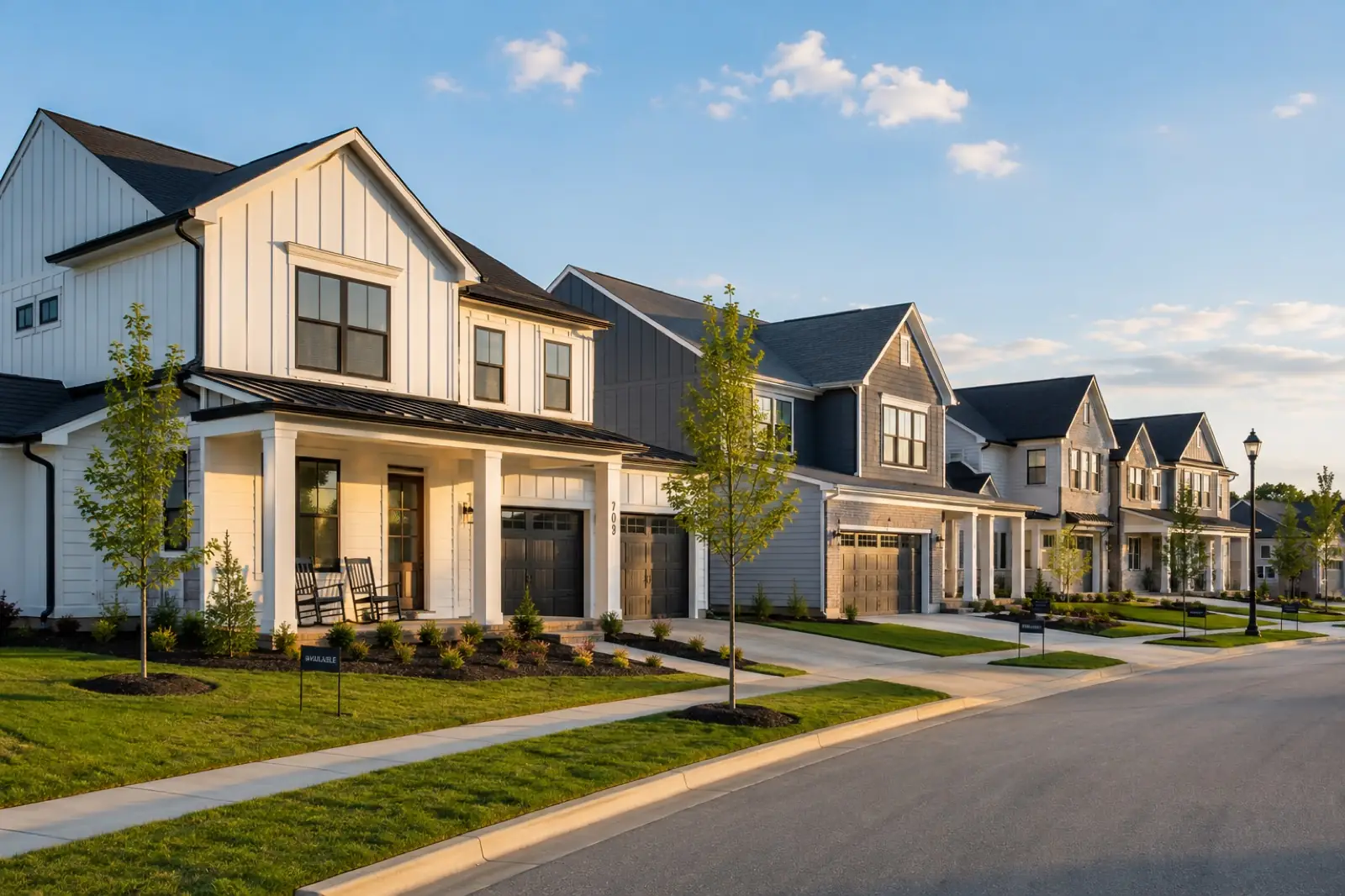
In most of the country, home insurance is a detail you handle shortly before closing. In South Florida it belongs at the front of the process, because it can be the difference between a house being affordable and being out of reach — and because for some properties, coverage is harder to obtain than buyers expect.
Quote it during your inspection period, not after
Get quotes on the specific address while you still have the ability to renegotiate or walk away. Two identical-looking houses on the same street can price very differently based on roof age, construction, elevation and claims history. Discovering that after your contingencies expire means owning the problem.
Hurricane and windstorm deductibles are separate — and percentage-based
Florida policies typically carry a separate hurricane deductible expressed as a percentage of the dwelling coverage rather than a flat sum. On a substantially valued home, that percentage is a large number. It applies to hurricane events specifically, with other windstorm losses sometimes falling under a different deductible again.
When you compare quotes, compare the deductible structure with as much attention as the premium. A lower premium attached to a much higher percentage deductible is a different product, not a better deal. Ask what the deductible would be in actual dollars for your home, and satisfy yourself that you could absorb it.
Flood is always a separate policy
Standard homeowners insurance does not cover flood, anywhere. In South Florida this is the single most consequential coverage gap, because the region floods from storm surge, from heavy rain on a high water table, and from drainage that gets overwhelmed. Coverage is available through the federal programme and through a growing private market.
Two mistakes to avoid. First, treating the flood zone designation as pass/fail: a meaningful share of flood claims come from properties outside high-risk zones. Second, leaving it to the last minute — new flood policies commonly have a waiting period before they take effect, so this is not a closing-week task.
Roof age is the dominant variable
More than almost anything else, the age and condition of the roof determines what you will pay and whether you will be offered coverage at all. Carriers scrutinise it closely in Florida. An older roof can mean a higher premium, a settlement basis that depreciates rather than replaces, or a declination.
Establish the roof's age, material and permit history early. If a roof is near the end of its serviceable life, that is a negotiating point with the seller and a budget item for you — and it is far better identified before you are under contract than during underwriting.
Wind mitigation inspections pay for themselves
A wind mitigation inspection documents features that make a home more resistant to windstorm — roof shape, roof deck attachment, secondary water resistance, and the presence of impact-rated or otherwise protected openings. Insurers apply credits for these, and the credits are often substantial relative to the modest cost of the inspection.
If you are buying, ask whether a current wind mitigation report exists. If you own and have never had one, it is one of the most reliably worthwhile things you can do about your premium. A four-point inspection — roof, electrical, plumbing, HVAC — is also commonly requested on older homes and is worth understanding before you are asked for one.
Impact windows, shutters and building code
Openings protection matters both for safety and for insurance. Homes built or updated to more recent code standards, with impact-rated windows and doors or approved shutters, generally perform better in storms and price better in coverage. When you tour a property, ask what year the windows and doors date from and whether they are impact rated — it is a question that tells you a lot about both the building and the bill.
Condominiums: two policies, and know the split
In a condo, the association carries a master policy covering the building and common elements, and you carry an individual policy covering your unit's interior, contents and liability. What sits on each side of that line varies by association document. You should also understand loss assessment coverage, which addresses your share when the association levies an assessment after a covered loss. Read the association's declaration rather than assuming the standard split applies.
How to shop it properly
- Quote the specific address, early, and get more than one.
- Compare hurricane deductibles in dollars, not percentages in the abstract.
- Price flood separately and account for any waiting period.
- Establish roof age and get a wind mitigation report.
- Ask about the property's claims history, which follows the address.
- Work with an agent or broker who writes South Florida coverage routinely.
Looking for an agent who actually works this area? Get matched free — we connect you with one license-verified local agent (plus at most one backup), never a call center and never a list sold to five people. Matching is always free for buyers and sellers.
Frequently asked questions
Why is South Florida insurance so expensive?
Concentrated exposure to windstorm and flood in a densely developed coastal region, plus the cost of rebuilding there. It is a genuine structural cost of the location rather than a temporary condition.
Can a seller's low premium be transferred to me?
No. Your policy is underwritten on your circumstances. Always get your own quote rather than relying on what the current owner pays.
Is an older roof a dealbreaker?
Not necessarily, but it is a serious factor. Establish age and condition early, and treat replacement cost as part of your purchase budget if the roof is near end of life.
Does flood insurance cover a storm surge?
Surge damage is generally addressed under flood coverage rather than a standard homeowners policy — one of several reasons a separate flood policy matters so much here. Confirm the specifics with your carrier.
Agents: if you work this market, join the network. Your profile is free, you keep 100% of your commission, and placement is never for sale — you're ranked on your verified record in the areas you actually cover, not on an ad budget.