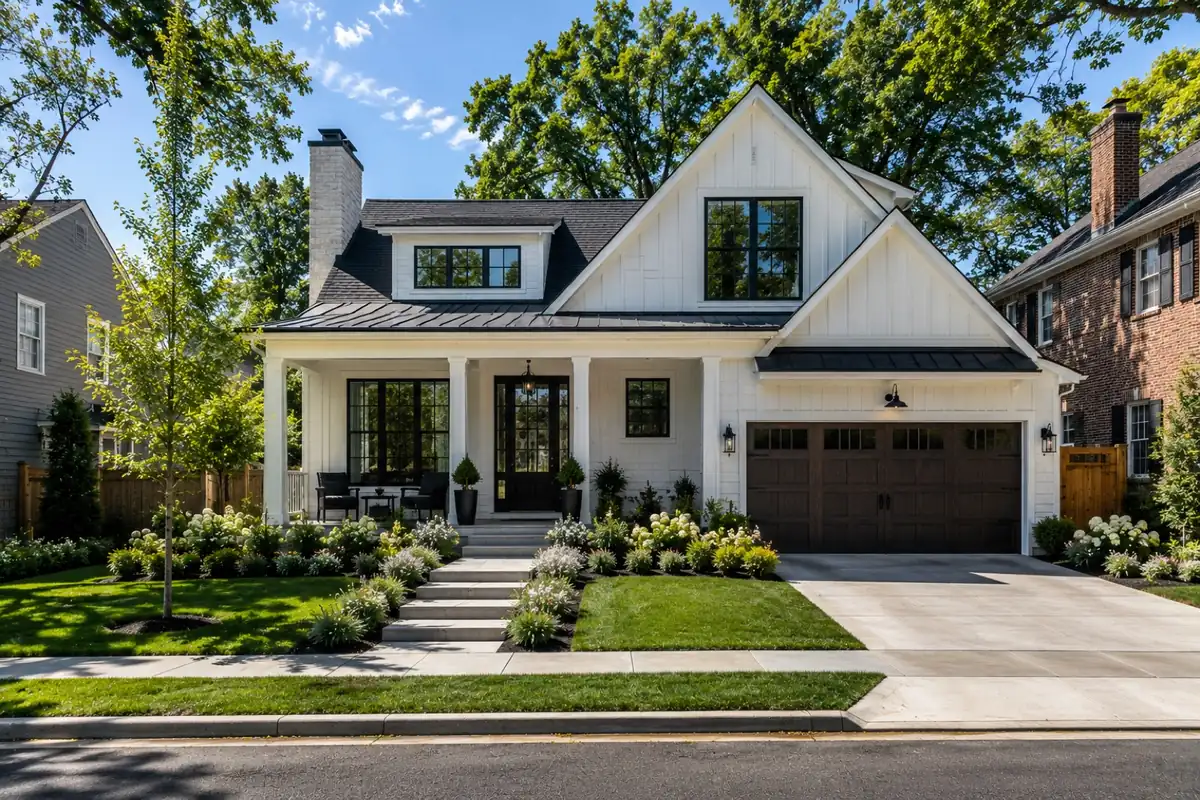
Virginia's most sought-after neighborhoods tend to be its oldest — the Fan in Richmond, Old Town Alexandria, Ghent in Norfolk, the established streets of Arlington. That is the appeal: mature trees, real architecture, walkable blocks that were laid out before anyone designed for cars. It also means buying a building that has been standing for a long time, and old buildings tell you things if you inspect them properly.
None of this is a reason to avoid older homes. It is a reason to buy one with clear eyes and a realistic budget.
Get an inspector who works on old houses
This is the highest-leverage decision in the whole process. An inspector who mostly sees suburban homes built in the last thirty years will not know what to look for in a house built in 1910. Ask candidates directly how much of their work is historic or pre-war housing, and choose accordingly.
Budget for specialists too. On an older Virginia home, a structural engineer, a sewer scope, a chimney inspection and a proper crawlspace or basement moisture assessment are frequently worth more than the general inspection itself.
Systems: the expensive part
- Electrical. Look for the service capacity, the panel type, and any remaining knob-and-tube or ungrounded circuits. Some panel types are viewed unfavourably by insurers and may need replacing regardless of whether they are currently functioning.
- Plumbing. Galvanised supply lines corrode internally and restrict flow. Cast iron waste lines have a finite life. A sewer scope tells you about the lateral to the street, which is a repair nobody budgets for and everybody remembers.
- Heating and cooling. Older homes often have systems retrofitted into buildings not designed for them. Look at ductwork routing, insulation, and whether the house can actually be conditioned evenly.
- Roof and flashing. Complex older rooflines have more places to fail. Check the flashing details and any valleys.
- Windows. Original wood windows can often be restored and are frequently protected in historic districts — restoration is a different budget from replacement, and sometimes the only permitted option.
Moisture is Virginia's recurring theme
The climate is humid, much of the older housing stock sits over crawlspaces, and the combination produces the region's most common set of problems: elevated humidity, wood rot, mould, and in time structural damage to floor framing.
Have the crawlspace properly inspected — entered, not glanced into. Ask about vapour barriers, encapsulation, drainage, grading around the foundation, gutter and downspout discharge, and whether a dehumidifier is present and working. In basements, look for signs of past water and ask directly what has been done about it.
Wood-destroying insects are a genuine concern across Virginia. A termite inspection is standard and worth reading rather than filing.
Lead, asbestos and what they mean in practice
Homes built before 1978 may contain lead-based paint, and federal rules require sellers to disclose known lead hazards and provide a pamphlet, with buyers given an opportunity to conduct an assessment. Older homes may also contain asbestos in insulation, flooring, siding and pipe wrap.
Neither is necessarily a crisis. Both are generally most hazardous when disturbed — which means they matter most if you plan renovation. If you do, factor in properly licensed abatement or containment, and be aware that renovation work in pre-1978 housing carries specific requirements for contractors.
Permits and previous work
Unpermitted renovation is common in older housing and creates real problems: insurance complications, difficulty at resale, and the possibility that a future permitted project triggers scrutiny of the earlier work. Ask what has been done, when, and whether it was permitted. Local building departments hold records and they are public.
Pay particular attention to converted spaces — finished basements and attics, enclosed porches, added bathrooms — where egress, headroom, ventilation and structural adequacy all matter.
Historic district review
Many of Virginia's best older neighborhoods sit within designated historic districts with architectural review boards. Exterior alterations — windows, siding, roofing material, porches, fences, additions and sometimes paint color — typically require approval before work begins.
These rules are why the neighborhoods look the way they do, and they are a genuine constraint on your plans and your timeline. Find out precisely what applies to the specific property before you buy, not after you have commissioned drawings. Ask also whether any tax credits or incentives are available for approved rehabilitation work — for substantial projects on qualifying properties, they can be meaningful.
Budget realistically
The purchase price of an older home is rarely the whole cost. Set aside a genuine reserve for the first few years, because things surface — and prioritise: structure, water intrusion and safety systems first, cosmetics last. The house has stood a long time; the kitchen can wait a year.
Looking for an agent who actually works this area? Get matched free — we connect you with one license-verified local agent (plus at most one backup), never a call center and never a list sold to five people. Matching is always free for buyers and sellers.
Frequently asked questions
Are older Virginia homes a bad investment?
Not at all — they are often in the most desirable and durable neighborhoods. They simply require better diligence and a maintenance reserve.
Do I have to replace knob-and-tube wiring?
It depends on condition, extent and your insurer. Some carriers will not write a policy with active knob-and-tube, which can make it a practical requirement regardless of function.
Can I replace the windows in a historic district?
Often not with modern replacements. Restoration of original windows may be the permitted route. Confirm with the local review board before budgeting.
Is a crawlspace a dealbreaker?
No — crawlspaces are extremely common in Virginia. What matters is whether it is dry, encapsulated or properly ventilated, and free of rot and pest damage.
Agents: if you work this market, join the network. Your profile is free, you keep 100% of your commission, and placement is never for sale — you're ranked on your verified record in the areas you actually cover, not on an ad budget.