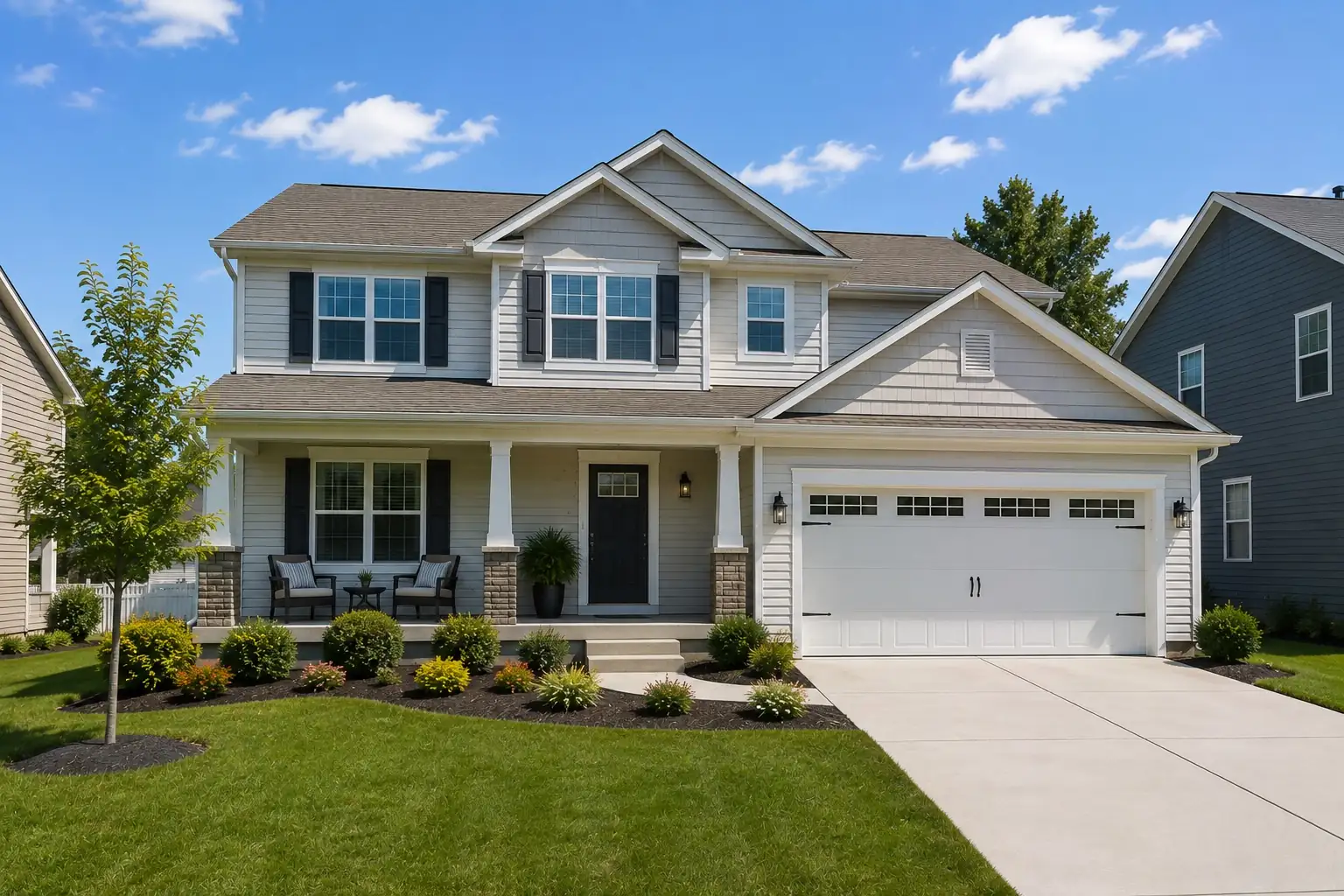
Selling in Virginia has a particular character. The state operates largely on a buyer-beware basis for residential sales, which means the disclosure statement you provide is less detailed than in many states — and the buyer's inspection consequently carries more weight in the negotiation. Preparing for that inspection is the most useful thing a Virginia seller can do.
The disclosure statement, and what it is not
Virginia sellers typically provide a residential property disclosure statement that advises the buyer to exercise diligence and inspect the property, rather than a room-by-room warranty of condition. Certain specific disclosures are required in defined circumstances, notably the federal lead-based paint disclosure for housing built before 1978.
The lighter disclosure regime is not license to conceal. Misrepresenting a known defect, or actively hiding one, is a different matter from the statute's general approach — and practically, a defect concealed is a defect the buyer's inspector often finds anyway, at the point where it costs you leverage. Ask your agent what your specific obligations are and meet them properly.
A pre-listing inspection is the highest-return preparation
Because inspections drive negotiations here, knowing what the buyer's inspector will find — before you list — converts a mid-contract renegotiation into a pre-market decision you control. You choose what to repair, what to disclose, and what to price for, on your own timeline and with your own contractors rather than under deadline pressure.
What Virginia inspectors reliably find
- Crawlspace and basement moisture. The region's most common finding by some distance — humidity, vapour barrier condition, rot in floor framing, drainage and grading around the foundation.
- Wood-destroying insects. Termite activity and past damage are genuine regional concerns and inspections are standard.
- Ageing systems in older homes. Electrical panels and service capacity, galvanised plumbing, cast iron waste lines, and heating systems past their expected life.
- Roof condition and flashing detail, particularly on complex older rooflines.
- Radon, which is tested for in many Virginia transactions.
- Unpermitted work. Finished basements, enclosed porches and added bathrooms are frequent trouble spots.
Handling the moisture issues before listing is often the single best investment a Virginia seller can make. A dry, encapsulated crawlspace with a working dehumidifier reads very differently to a buyer than a damp one with a torn vapour barrier — and it removes the finding most likely to trigger a price renegotiation.
Gather the documents
Assemble permits for any work done, warranties that transfer, termite treatment records and any bond, service records for HVAC and major systems, and — if you are in a community association — the association documents, budget, reserve position and any assessment history. Virginia provides buyers with rights to receive association disclosure materials within defined periods, and having them ready prevents a delay at exactly the wrong moment.
Price against real comparables
Virginia's markets are hyper-local — an independent city and the county beside it are different markets with different taxes and different school divisions, and buyer pools do not always cross the line. Ask your agent which comparables they used and why, and expect reasoning rather than a number.
Be sceptical of the highest suggested price offered without support. Overpricing consumes the strongest weeks of buyer attention, and homes that linger typically sell for less than a realistically priced listing would have achieved. You can begin by browsing agents in your area and comparing verified records in your specific submarket.
Understand your net
Ask for a written estimate of proceeds before listing. Line items commonly include the grantor tax and any local transfer charges, settlement fees, prorated real estate taxes through settlement, any association fees due on transfer, repairs negotiated after inspection, any closing cost contribution you agree to, your mortgage payoff with interest to funding, and brokerage compensation per your agreement.
Looking for an agent who actually works this area? Get matched free — we connect you with one license-verified local agent (plus at most one backup), never a call center and never a list sold to five people. Matching is always free for buyers and sellers.
Presentation for a four-season climate
The fundamentals apply everywhere — declutter until rooms read larger, fix the small visible faults, and invest in proper photography, because buyers decide online first. What Virginia adds is seasonality: a house shows differently in July than in January, and both versions are worth thinking about.
In summer, make sure the home is genuinely comfortable at showings and that any humidity or musty smell has been addressed, because buyers here are primed to notice it. In winter, warmth and light matter, as does clear access. Year-round, curb appeal and a tidy yard do real work in neighborhoods where the streetscape is part of the appeal.
Buying and selling at the same time
Most sellers are also buying. Talk through the sequencing before you list — a post-settlement occupancy arrangement, a longer settlement window, or a contingency can all reduce the risk of being caught between two transactions.
The failure to avoid is committing to a purchase whose timing depends on a sale that has not yet cleared its contingencies. Build slack into the plan and discuss the fallback with your agent in advance rather than mid-contract.
Choosing your agent on evidence
Interview at least two and weight local specificity heavily, because Virginia's markets change across jurisdiction lines. Ask for their verified record in your specific submarket, which comparables they used and why, and what they will actually do in the first fortnight. Reasoning matters more than the headline number.
Frequently asked questions
Does Virginia require me to disclose defects?
The state's approach is largely buyer-beware, with a disclosure statement advising diligence and certain specific disclosures required. Confirm your obligations with your agent — and do not conceal known problems.
Should I fix the crawlspace before selling?
Very often yes. It is the most common inspection finding in the region and the one most likely to cost you at renegotiation.
Is a pre-listing inspection worth it?
In a buyer-beware state where inspections drive negotiations, it is one of the most useful things a seller can do.
Does Homegrity charge sellers?
No. Matching is free for sellers and buyers alike, and your details go to one matched agent plus at most one backup — never resold.
Agents: if you work this market, join the network. Your profile is free, you keep 100% of your commission, and placement is never for sale — you're ranked on your verified record in the areas you actually cover, not on an ad budget.