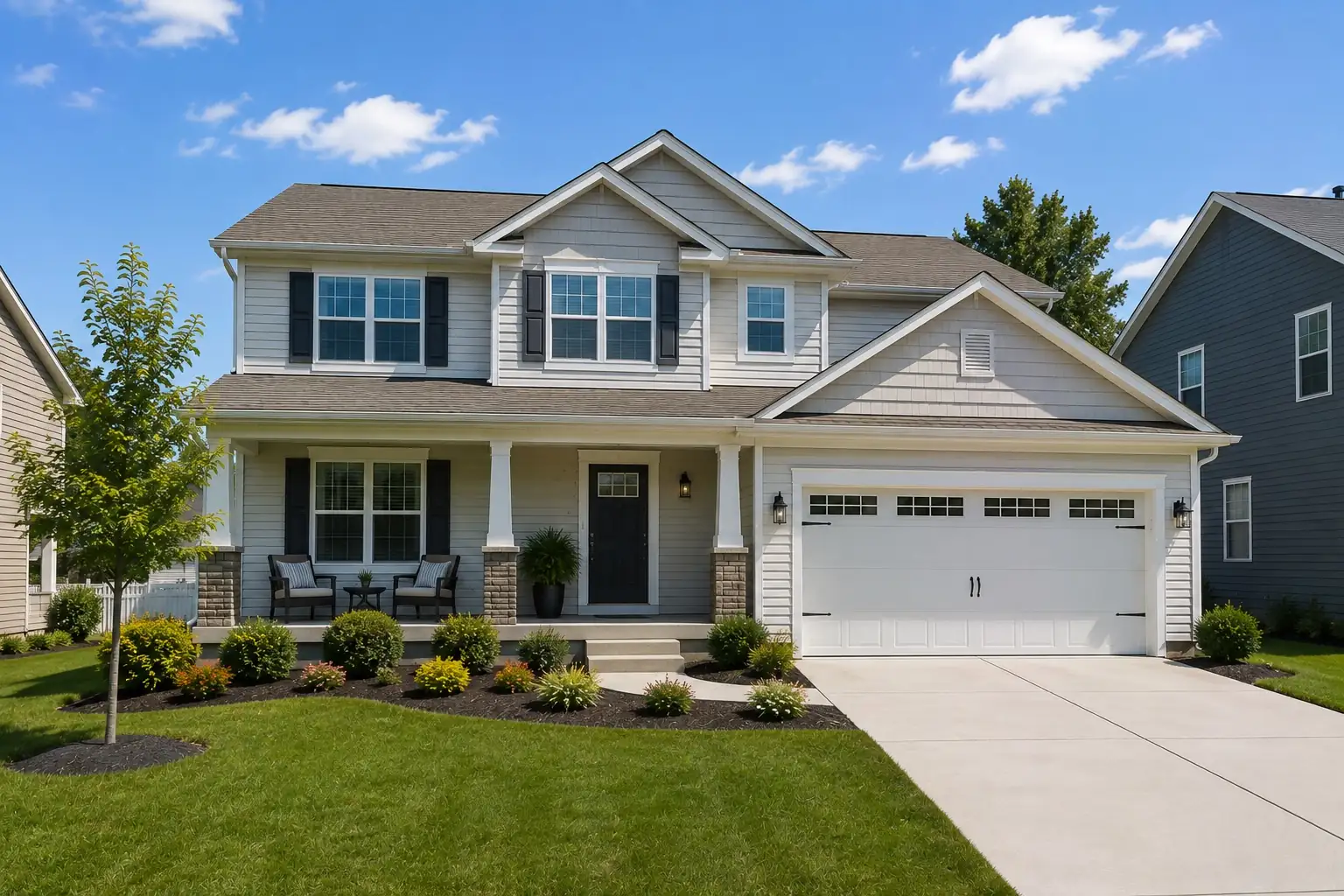
A great deal of Virginia housing — particularly in Northern Virginia and the growing suburbs — sits within a homeowners or condominium association. Virginia gives buyers a meaningful protection here that many never use: a right to receive disclosure materials about the association and a defined period in which to review them and cancel.
That window exists for a reason. Use it.
The disclosure packet
Depending on whether the community is a property owners' association or a condominium, Virginia law provides for the buyer to receive a disclosure packet or resale certificate containing the association's governing documents, current budget, financial information, details of assessments including any special assessment, information about reserves, rules and restrictions, and disclosure of any pending litigation.
Crucially, the statutes provide a cancellation right within a defined period after receipt. The details and timing depend on the type of association and how the materials were delivered, so confirm your specific window with your agent or attorney — but know that it exists and that it is one of the more genuinely useful buyer protections in Virginia law.
What to actually read in it
These packets are long, and most buyers skim them. Read these parts properly:
- Assessments. The current amount, what it covers, the history of increases, and anything special that has been levied or is under discussion.
- Reserves. Not just the balance — the balance measured against what the association's own study says is needed. An underfunded reserve is a future assessment.
- The financials. Look at delinquency levels. High delinquency shifts costs to paying owners and can affect financing in the community.
- Rules and restrictions. Parking, vehicles, pets, exterior changes, fences, sheds, satellite dishes, and above all leasing.
- Leasing provisions. Minimum terms, caps on the number of rentals, waiting periods after purchase. Decisive if renting is any part of your plan.
- Architectural approval. What requires it, how long it takes, and what has recently been refused.
- Litigation. Both a cost and a signal about how the community is run.
Read the meeting minutes if you can get them
Minutes are the most revealing document about any association and are frequently the least read. Problems are discussed there long before they become assessments — a roof nearing end of life, a drainage issue, a dispute with a contractor, a debate about raising dues. If minutes are available, read a year or two of them.
Condominium buyers: the building matters too
In a condominium you are buying into shared ownership of the structure itself, which makes the association's maintenance of the building your concern directly. Ask about the age and condition of the roof, the building envelope, elevators, mechanical systems and any water intrusion history. Ask what the master insurance policy covers and what its deductible is, and understand what you need to carry on your own unit policy — including loss assessment coverage for your share if the association levies after a covered loss.
Lenders evaluate condominium projects as well as borrowers, so occupancy ratios, delinquency, reserves and litigation can affect both your financing and your eventual resale.
Fees: compare what they cover
A higher fee that includes water, exterior maintenance, insurance on the structure and real amenity operation can be better value than a lower one that covers a gate and some landscaping. And treat a conspicuously low fee in an older community as a question rather than a bargain — it frequently indicates deferred funding rather than efficiency.
Ask for three to five years of fee history plus any assessments in that period. Steady, predictable increases usually indicate responsible management. Flat fees in an ageing community often indicate a reckoning being postponed.
Looking for an agent who actually works this area? Get matched free — we connect you with one license-verified local agent (plus at most one backup), never a call center and never a list sold to five people. Matching is always free for buyers and sellers.
How enforcement works
Association rules are enforceable, and the mechanisms are real: notices, charges for violations, suspension of certain privileges, and for unpaid assessments a lien against the property. Virginia law sets out procedures associations must follow, including notice and an opportunity to be heard before certain actions.
This is worth understanding not because associations are adversarial — most are volunteer neighbours doing an unglamorous job — but because the obligations bind you from the day you close. Read the enforcement provisions alongside the rules.
Architectural review takes time
If you plan to change anything visible from outside — a fence, a shed, a deck, a color, a driveway, solar panels, a satellite dish — check what requires approval and how long the process takes. Buyers routinely plan a summer project and discover in June that the committee meets quarterly.
Ask also what has recently been approved and refused in the community. It tells you more about how the rules are actually applied than the written standard does.
Talk to residents
The documents give you the formal position; residents tell you how the place actually runs. Is the board responsive? Did the last assessment arrive as a surprise? Are maintenance requests handled? A brief conversation with someone walking a dog is often the most useful diligence available, and it costs nothing.
Frequently asked questions
Can I cancel a contract after reading the association packet?
Virginia provides a cancellation right within a defined period after you receive the disclosure materials. The specifics depend on the association type and delivery method — confirm your exact window with your agent or attorney.
Who pays for the disclosure packet?
Responsibility and permitted charges are addressed by statute and commonly fall to the seller, though it is worth confirming in your contract.
Can an association stop me renting my home?
Leasing restrictions are common and enforceable. Read that section before you buy if renting is any part of your plan.
Is a low HOA fee a good sign?
Not by itself. Compare it against what it covers and against the reserve position — in an older community, a low fee often signals underfunding.
Agents: if you work this market, join the network. Your profile is free, you keep 100% of your commission, and placement is never for sale — you're ranked on your verified record in the areas you actually cover, not on an ad budget.