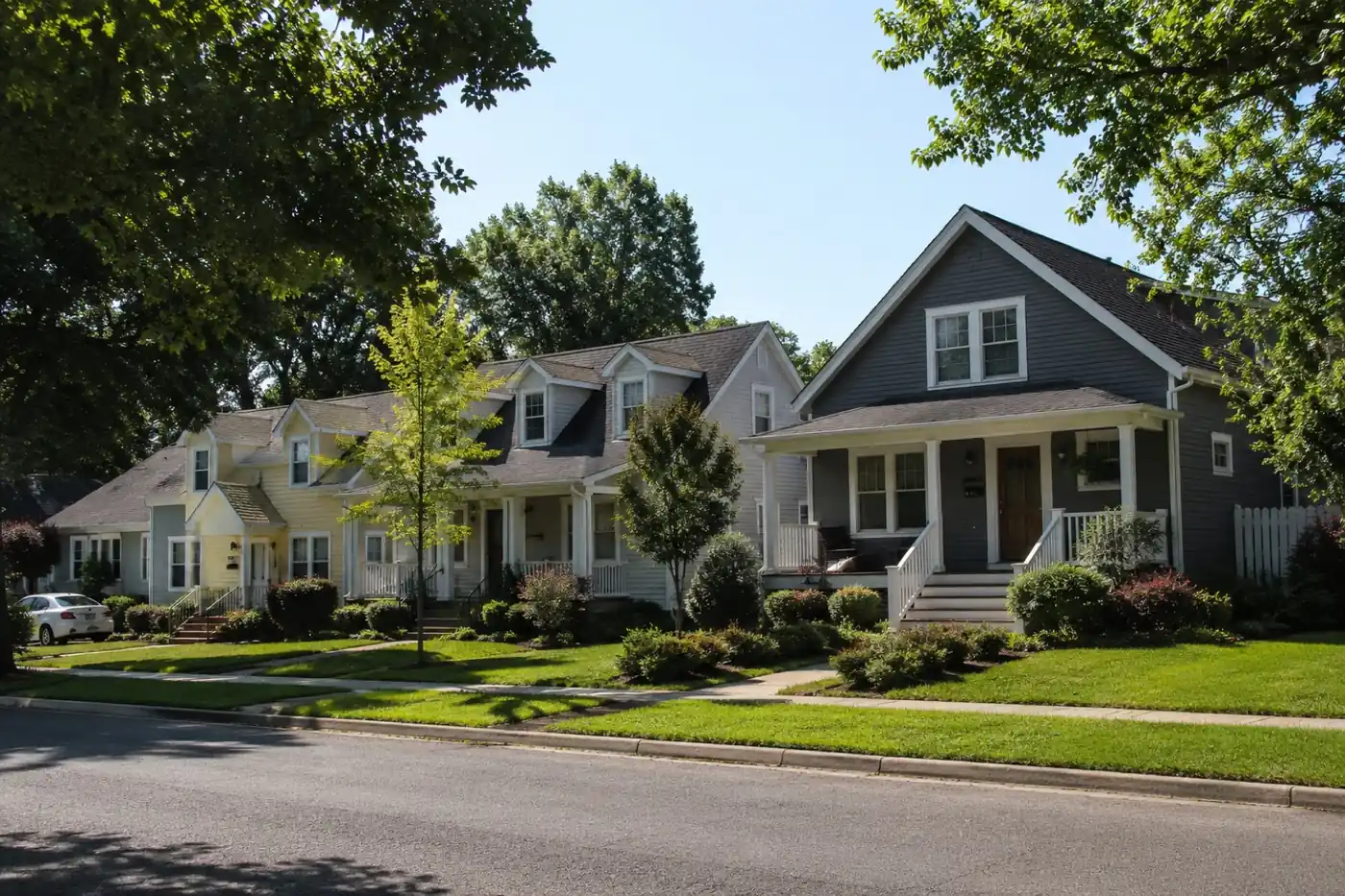
Richmond is Virginia's capital and, for a lot of people, its best value — a compact city with genuinely distinctive historic neighborhoods, a diversified economy and commutes that would be considered trivial in Northern Virginia. Here is a practical orientation to the city and the counties around it.
The city's historic neighborhoods
The Fan is the signature Richmond neighborhood — blocks of late nineteenth and early twentieth century rowhouses fanning out west of downtown, tree-lined, walkable and close to Virginia Commonwealth University. Museum District continues west with similar housing and a slightly quieter feel.
Church Hill, east of downtown, is one of the oldest parts of the city, with historic homes, real views and a strong sense of place. Scott's Addition was industrial and has become a dense district of breweries, restaurants and converted buildings. Northside — Bellevue, Ginter Park — offers larger early twentieth century houses with yards, which is unusual for the city proper.
Buying in these neighborhoods means buying older housing, frequently with renovation history of variable quality and permitting status. It also often means historic district review for exterior work. Both are manageable; neither should be a surprise.
The counties
Henrico County wraps around the city to the north, east and west, holding much of the suburban housing — the West End is established and sought after, and the Short Pump area to the west has grown substantially with newer development and retail.
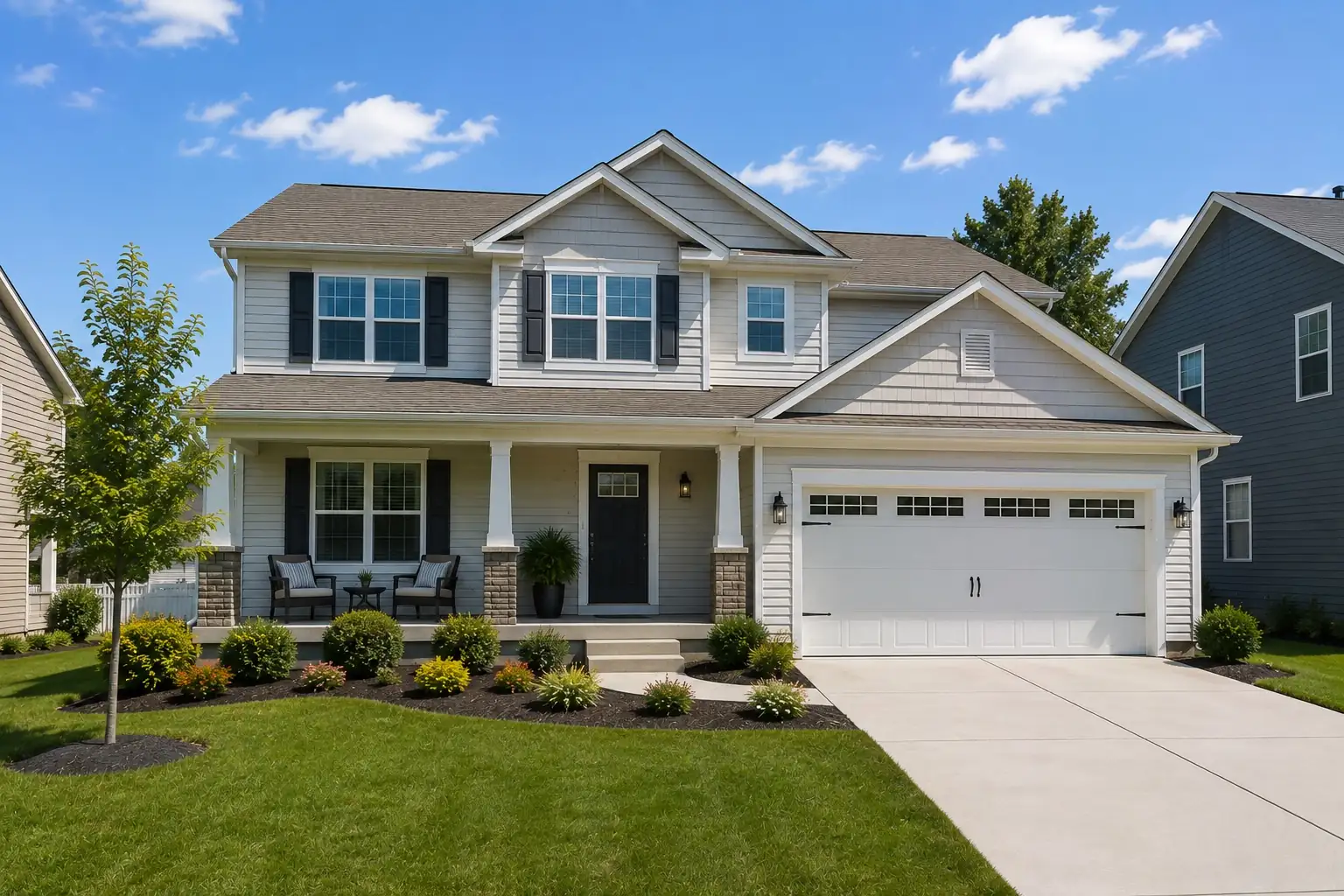
Chesterfield County to the south is large, growing, and generally offers more house per dollar, with substantial newer construction. Further out, Hanover and Goochland counties offer more space and a more rural character.
Note that Richmond is an independent city, separate from the surrounding counties, with its own tax rate and its own school division. Crossing a county line changes your taxing authority, your schools and your services.
What to check when buying in Richmond
- Which jurisdiction — city, Henrico or Chesterfield — and its rate and school division.
- Historic district review requirements if you plan any exterior work.
- Older-home systems: knob-and-tube remnants, galvanised plumbing, ageing electrical service, and the quality and permitting of past renovations.
- Lead paint and asbestos considerations in older housing, particularly if you plan renovation.
- Basement and crawlspace moisture, common in the region's older housing.
- Flood risk along the James River and its tributaries — a real per-property question in low-lying areas.
- Termite history, a genuine concern in this climate.
Parking and the practical city stuff
In the Fan and similar neighborhoods, off-street parking is scarce and permit parking systems apply in places. If you have two vehicles, ask specifically about the parking situation on that block — it is a daily quality-of-life factor that is easy to overlook during a Saturday afternoon showing.
Alley access, shared driveways and rear parking arrangements are common in the older neighborhoods and are worth verifying rather than assuming from a listing photograph.
Looking for an agent who actually works this area? Get matched free — we connect you with one license-verified local agent (plus at most one backup), never a call center and never a list sold to five people. Matching is always free for buyers and sellers.
Renovation in the historic neighborhoods
Much of Richmond's most desirable housing is old, and a lot of it has been renovated — well and badly. When you tour a renovated rowhouse, ask what was done, when, by whom and whether it was permitted. Local building departments hold records and they are public.
Pay attention to the things that are expensive to correct: electrical service and panel, plumbing supply and waste lines, the roof and its flashing, and any structural alterations to open up floor plans. A handsome kitchen sitting above unaddressed systems is a common and costly pattern. Our older home guide covers what to inspect.
Rehabilitation tax credits
For substantial rehabilitation work on qualifying historic properties, state and federal rehabilitation tax credit programmes may be available. The requirements are specific and the process is administrative rather than casual, but for a significant project on an eligible building the value can be meaningful.
If you are buying a historic property with a real renovation in mind, look into this before you begin work — eligibility generally depends on following the process from the outset rather than applying afterwards.
Where the value tends to sit
Richmond's pricing runs on a few clear gradients. Inside the city, the established historic neighborhoods command the most, with adjacent areas offering similar housing stock at lower entry points — often a block or two makes a real difference. In the counties, Henrico's West End is established and priced accordingly, while Chesterfield generally offers more square footage per dollar and newer construction.
The useful exercise is to shortlist two or three areas that fit your commute and your life, then compare what a similar house actually costs in each once the jurisdiction's tax rate and any association fee are included. Because Richmond is an independent city with its own rate and school division, that comparison sometimes reorders a list built on list prices alone.
The river is an amenity and a consideration
The James River is central to Richmond life, with the park system along it among the city's best features. It is also a flood consideration for low-lying properties nearby. Both things are true; check elevation and flood history for any address close to the water, and then enjoy the park system.
Frequently asked questions
Is the Fan a good place to buy?
It is among Richmond's most sought-after neighborhoods, with the caveats that come with historic rowhouses — older systems, review requirements for exterior work, and limited parking.
Henrico or Chesterfield for families?
Both draw families for good reasons; Henrico's West End is established, Chesterfield generally offers more space per dollar. Compare specific school attendance zones rather than county reputations.
Does Richmond flood?
Low-lying areas along the James and its tributaries can. Treat it as a per-property question and check elevation and history for any address near water.
How much does it cost to use Homegrity?
Nothing for buyers and sellers. One matched local agent plus at most one backup, details never resold, placement never for sale.
Agents: if you work this market, join the network. Your profile is free, you keep 100% of your commission, and placement is never for sale — you're ranked on your verified record in the areas you actually cover, not on an ad budget.