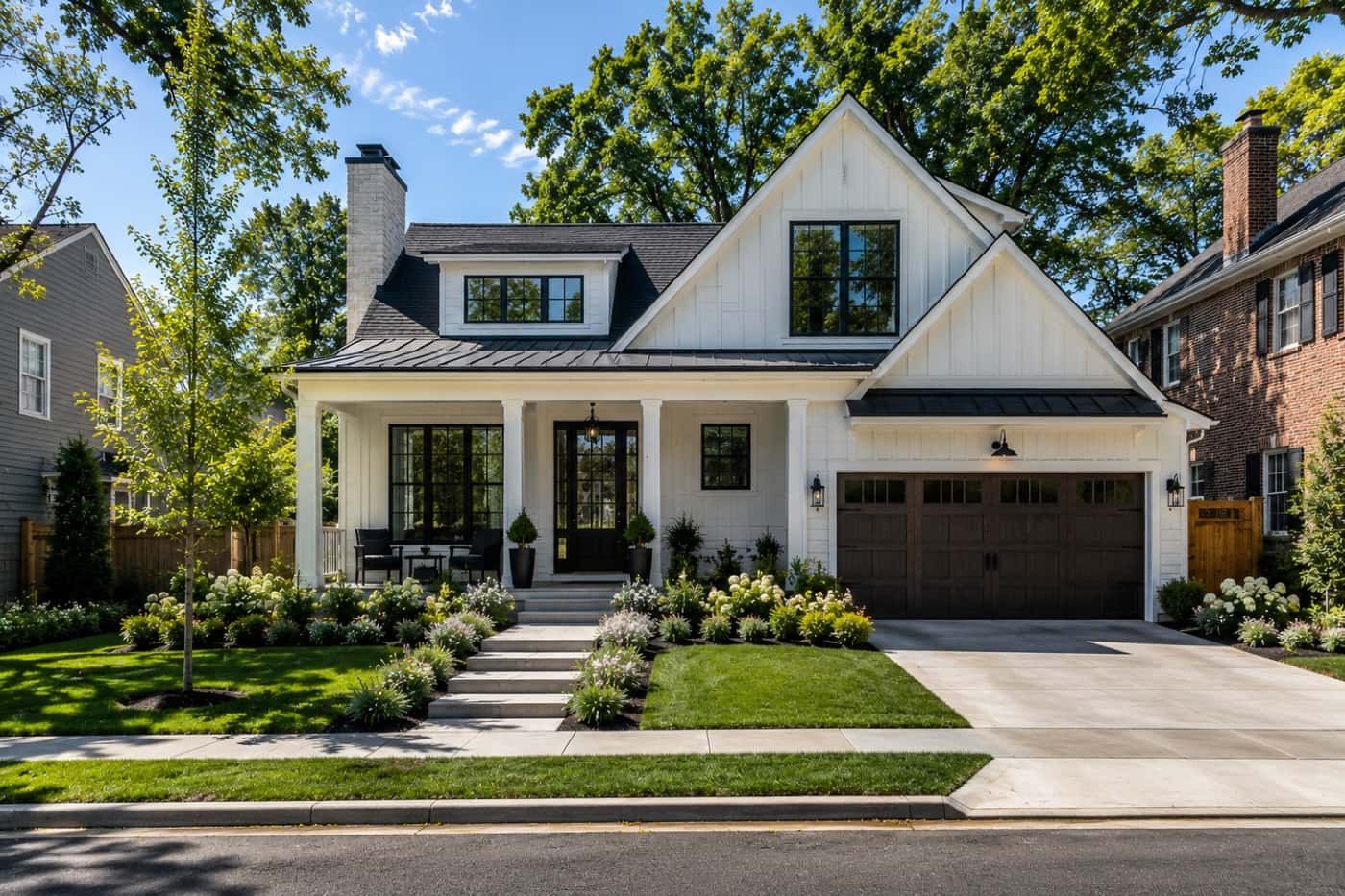
Austin is the smallest of Texas's four big metros and in some ways the most constrained. It sits where the flat blackland prairie meets the Hill Country, which makes it beautiful and makes its traffic patterns unforgiving. If you are buying here, geography is not scenery — it is the main variable.
The shape of the metro
Austin's growth has run primarily north and, more recently, east. The central neighborhoods — the areas immediately around downtown and the university — are the oldest and densest, with smaller lots, mature trees and the highest costs. North along the main corridor you reach Round Rock, Cedar Park, Leander and Georgetown, which have absorbed an enormous share of the family migration. West is the Hill Country: Lakeway, Bee Cave, Dripping Springs, West Lake Hills — hills, views, larger lots, longer drives. South toward Buda, Kyle and San Marcos offers more house per dollar with a commute to match. East has seen the fastest change of any part of the metro.
Traffic is a housing decision, not a nuisance
Austin's road network funnels a lot of traffic through a small number of corridors, and the river and the hills limit the alternatives. The practical consequence is that a short distance on a map can be a long and unpredictable drive. People routinely underestimate this when choosing a home and regret it within a year.
Do the specific thing: drive from the address you are considering to the place you actually go, at the time you actually go, more than once. Do not average it. The bad days are what you will remember.
Hill Country specifics
West of the city the terrain changes and so do the questions. Properties on larger lots may be on well water and a septic system rather than municipal service — both are perfectly normal here and both require their own inspections and their own maintenance budget. Ask about water source, water quality, well depth and yield, and the septic system's age, capacity and last service.
Wildfire exposure is a genuine consideration in the wildland-urban interface, and it affects both safety planning and insurance. Ask about defensible space, construction materials and access — and get an insurance quote early, because in some areas the cost or availability of coverage is itself part of the decision.
Flash flooding is a Hill Country reality. Low water crossings flood fast, and a route that is fine most of the year can close. If a property's only access crosses one, know that before you buy.
Water, more broadly
Central Texas moves in and out of drought, and water is a recurring regional conversation. Practical questions worth asking: what is the water source for this address, what restrictions have applied historically, and if there is a well, what has its performance been. This is not alarmism — it is the kind of thing long-time locals check as a matter of course and newcomers often do not think to ask.
Taxes and the suburb trade
Tax rates vary meaningfully across the metro because of overlapping entities, and newer master-planned communities in the northern and southern suburbs frequently sit within a MUD. That can move your monthly cost more than a modest difference in list price. Read our Texas property taxes guide and get the rate for the specific address before you fall in love with a house.
How to approach the search
- Fix your commute anchor first — it constrains the map more than anything else here.
- Decide between central character, suburban amenity and Hill Country space. They are different lives.
- If you go west, budget for well and septic inspections and get insurance quotes early.
- Verify the school attendance zone for the exact address, not the district.
- Get the full tax picture including any MUD before you write an offer.
Looking for an agent who actually works this area? Get matched free — we connect you with one license-verified local agent (plus at most one backup), never a call center and never a list sold to five people. Matching is always free for buyers and sellers.
Deed restrictions, HOAs and short-term rentals
If a short-term rental is part of your plan — or if you would rather not live beside one — read the rules before you buy. Municipal regulation of short-term rentals varies across the Austin metro and has changed over time, and separately, HOA covenants and deed restrictions frequently prohibit them outright regardless of what the city permits.
The two are independent. A city allowing something does not override a recorded restriction on your subdivision. Get the HOA documents during your option period and read that section specifically.
Older central homes versus newer suburban ones
Central Austin's housing stock is older, on smaller lots, with mature trees — and with the maintenance profile that implies: original plumbing and wiring in some cases, foundations on clay soils, and renovation work of varying quality and permitting status. Newer suburban homes trade that for standardised construction, builder warranties and lower immediate maintenance, at the cost of commute and character.
Neither is the right answer generally. But price them honestly: a central home at a given number and a suburban home at the same number are not comparable monthly commitments once maintenance and commuting are included.
Trees are protected, and that affects your plans
Austin has tree preservation rules, and removing or significantly pruning certain trees can require review. If your plan for a property involves an addition, a pool or a driveway that affects a substantial tree, find out what applies before you buy rather than after you have drawn plans.
Where to start if you are relocating
Rent first if you can. The Austin metro's geography means the difference between two suburbs is mostly a difference in commute, and commute tolerance is the thing people misjudge most reliably from outside. Six months of living here will tell you more than any amount of research about whether north, south or west actually suits your life.
Frequently asked questions
Is it cheaper to buy north or south of Austin?
Both directions generally offer more space per dollar than central Austin, with the south and far north typically the most affordable. The trade is always commute time, and Austin's corridors punish long commutes more than a flat metro would.
Do I need a well inspection?
If the property is on a well, yes — test quality and yield, and understand the maintenance obligations. Same for a septic system. These are ordinary here, not red flags, but they are your responsibility once you own them.
How much does wildfire risk affect buying in the Hill Country?
Enough to build into the process: ask about defensible space and access, and obtain an insurance quote during your option period rather than assuming coverage will be routine.
Can you match me with an agent who specialises in one suburb?
Yes. We match on the areas an agent actually covers and their verified record there. Placement is never for sale — a subscription does not buy a better position.
Agents: if you work this market, join the network. Your profile is free, you keep 100% of your commission, and placement is never for sale — you're ranked on your verified record in the areas you actually cover, not on an ad budget.